
A Look at the Science Behind Hot and Cold Containment Aisles
Keeping the servers cool inside of a data center requires careful science. One strategy is hot and cold containment aisles. Let’s look at how they work.
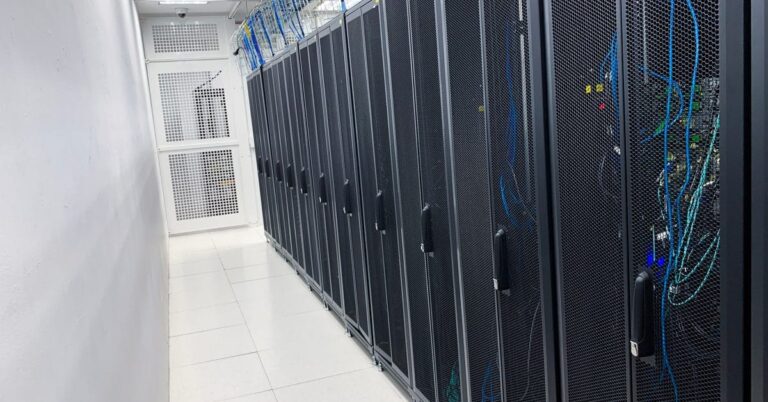
Keeping the servers cool inside of a data center requires careful science. One strategy is hot and cold containment aisles. Let’s look at how they work.
Did you know there are state and local guidelines for heating and cooling your data center? The American Society of Heating, Refrigerating, and Air-Conditioning, also known as ASHRAE, are guidelines that determine the temperature of various heating and cooling systems. These are government policies, so you must follow and understand them. Let’s look at ASHRAE A1…

As a data center manager, storing your data and other electronic products is your ultimate task. Your primary role is to make sure that data hardware is professionally stored to avoid incidents or accidents that could have negative impacts on that data. However, there are specialized structures that you can use in your data center…
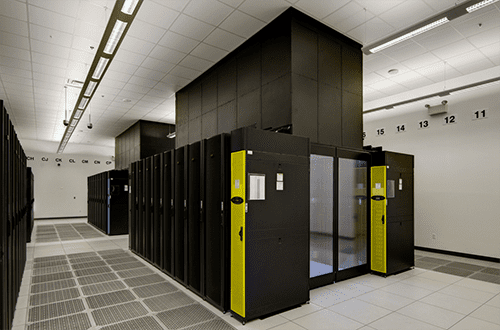
Hot Aisles The cost of providing air conditioning to the average server room at 70% capacity can be as high as $23,000 per year. This can also release as much as 243 tonnes of greenhouse gases. When it comes to designing data centers for your servers, considering the amount spent on cooling is something every…
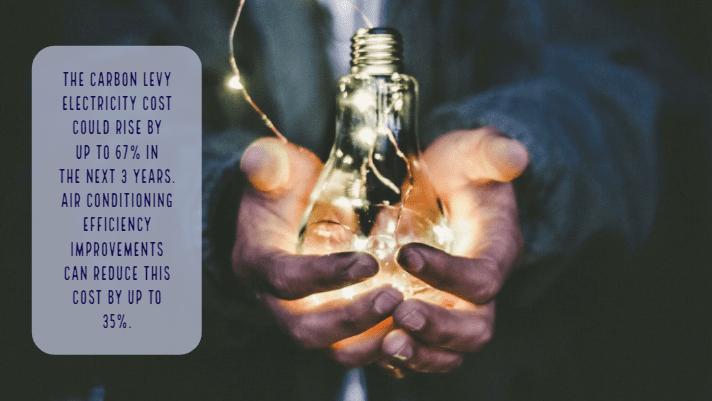
Like most other data centers, edge data centers are mission-critical establishments. They’re essential nerve centers for most organizations. Consolidation, workload virtualization, and the high demand for processing power increase the heat load in data centers. The heat load makes the thermal management of data centers challenging. As such, edge data centers use hot and cold…
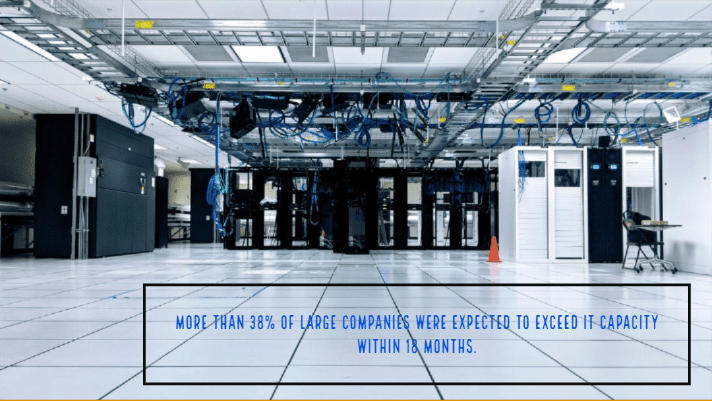
Adopting new technology in the business environment has improved transparency. In 2011, a study indicated that over 38% of large-scale firms were ready to exceed IT capacity within 18 months. Maintaining IT equipment in good working condition facilitates the success of the business. Inefficient air conditioning in the server room causes the collapse of the…
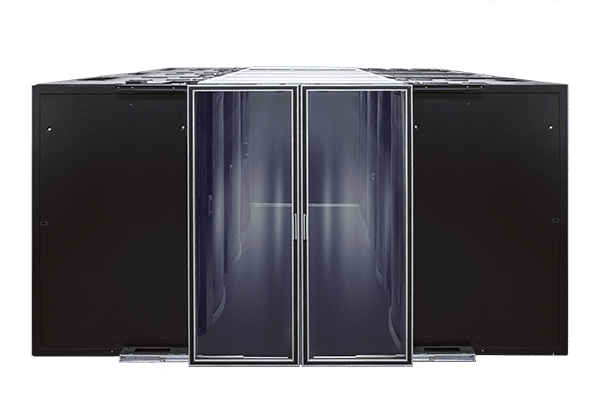
Hot or Cold Aisle Containment Which is Better? Before exploring hot aisle and cold aisle containment benefits for data centers, we must first know what they are. A cold aisle containment system simply means that 2 rows of server or network racks are set up facing air conditioner output ducts. A hot aisle containment system…
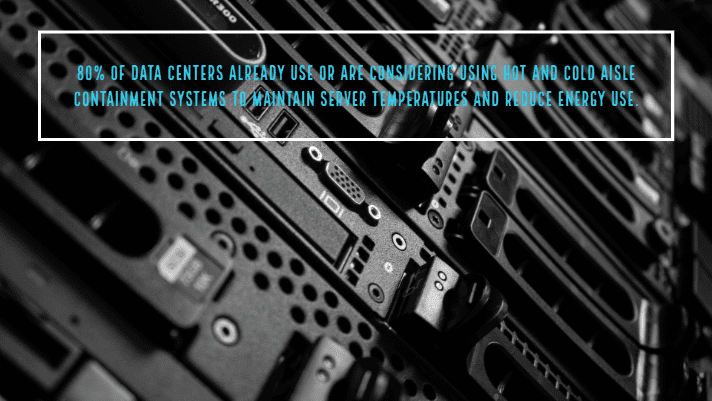
Recent surveys indicate that hot or cold aisle containment is being utilized by 80% of the data centers surveyed. Most all data centers have the same goal, they want to protect the equipment. Of course, that opens the debate what is better hot aisle containment systems or cold aisle containment solutions? Hot or cold aisle…
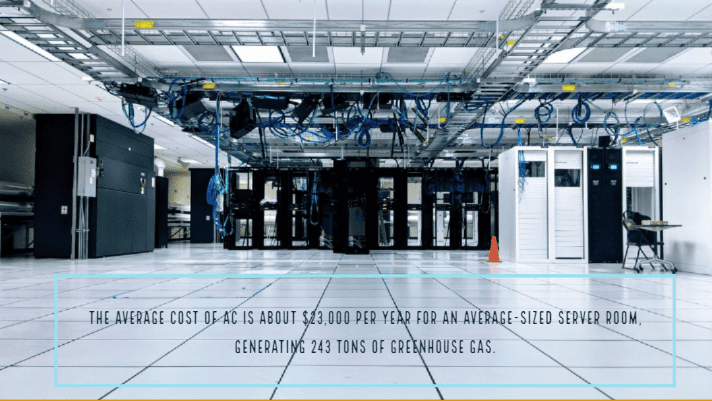
Reigning in energy costs starts with understanding hot aisle containment options that are focused on reducing energy costs without cutting back on protection. When you consider that the average cost of AC is about $23,000 per year for an average-sized server room and that greenhouse gas to the tune of 243 tons is generated you…
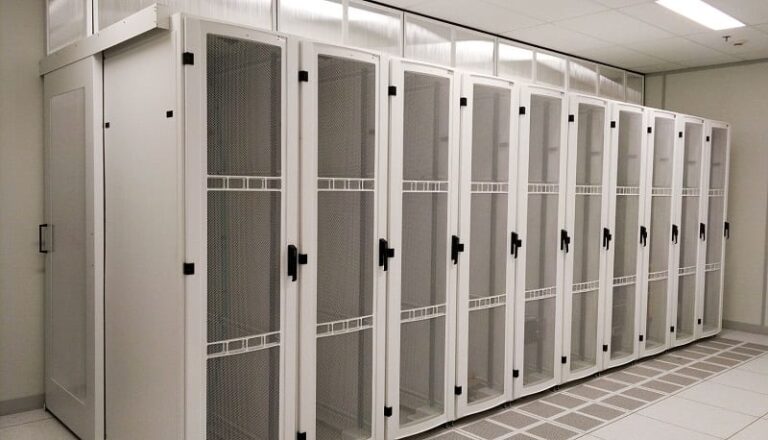
Edge data centers are responsible for housing the critical components of a network. They rely on the continual running of machines, and with this constant expenditure of energy comes rising temperatures. From servers to the racks that house them to cables, it is imperative for the elements within a data center to maintain optimal temperatures…
Most electronic cabinet designs come with a standardized mounting of 19 inches. Today, many manufacturers are allowing their customers to request custom made electronic cabinet designs to suit their needs. Most electronic cabinet designs are made for computer servers, lab, lighting, telecom, audio, and video equipment. It has been said that data centers use one…
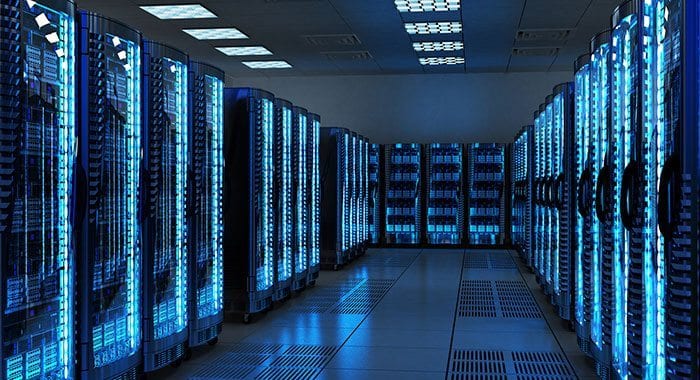
Your national company’s data center likely can understand the drawbacks of having that much technology in one place. All those high powered computers in one space requires constant cooling, personnel around the clock, and puts a huge strain on the local power grid. In fact, according to research, one data center uses about 100 times…